The Art of Yarn Spinning: Expert Tips from McCall's Fiber Enthusiasts


Introduction to Yarn Spinning
The art of yarn spinning is a cherished craft that has been passed down through generations. At McCall's Fiber Enthusiasts, we celebrate this timeless tradition by sharing expert tips and techniques with both beginners and seasoned spinners. Whether you're spinning for relaxation or to create stunning handmade garments, understanding the nuances of yarn spinning can enhance your experience.
Choosing the Right Fiber
One of the first steps in yarn spinning is selecting the right fiber. Different fibers offer unique textures, strengths, and finishes. Wool is a popular choice due to its elasticity and warmth, but other fibers like alpaca, silk, and cotton each bring their own characteristics to the table. Consider what you want to achieve with your yarn to guide your selection.
Understanding Fiber Properties
Each type of fiber has distinct properties that affect the final product. Wool, for instance, is known for its crimp and elasticity, making it ideal for garments that need to retain shape. Silk offers a smooth and lustrous finish, perfect for luxury items. Understanding these properties helps you make informed decisions in your spinning projects.
Mastering Spinning Techniques
Once you've chosen your fiber, mastering the techniques of spinning is essential. From drafting to plying, each step plays a critical role in the quality of your yarn. Begin by practicing the basic drop spindle method, which is a great way to understand the fundamentals.

Drop Spindle vs. Spinning Wheel
For many beginners, the drop spindle is an accessible entry point. It allows you to control the tension and twist manually. However, as you gain confidence, transitioning to a spinning wheel can significantly increase your spinning speed and consistency. Each method has its merits, and many spinners use both depending on their project needs.
Enhancing Your Yarn with Color
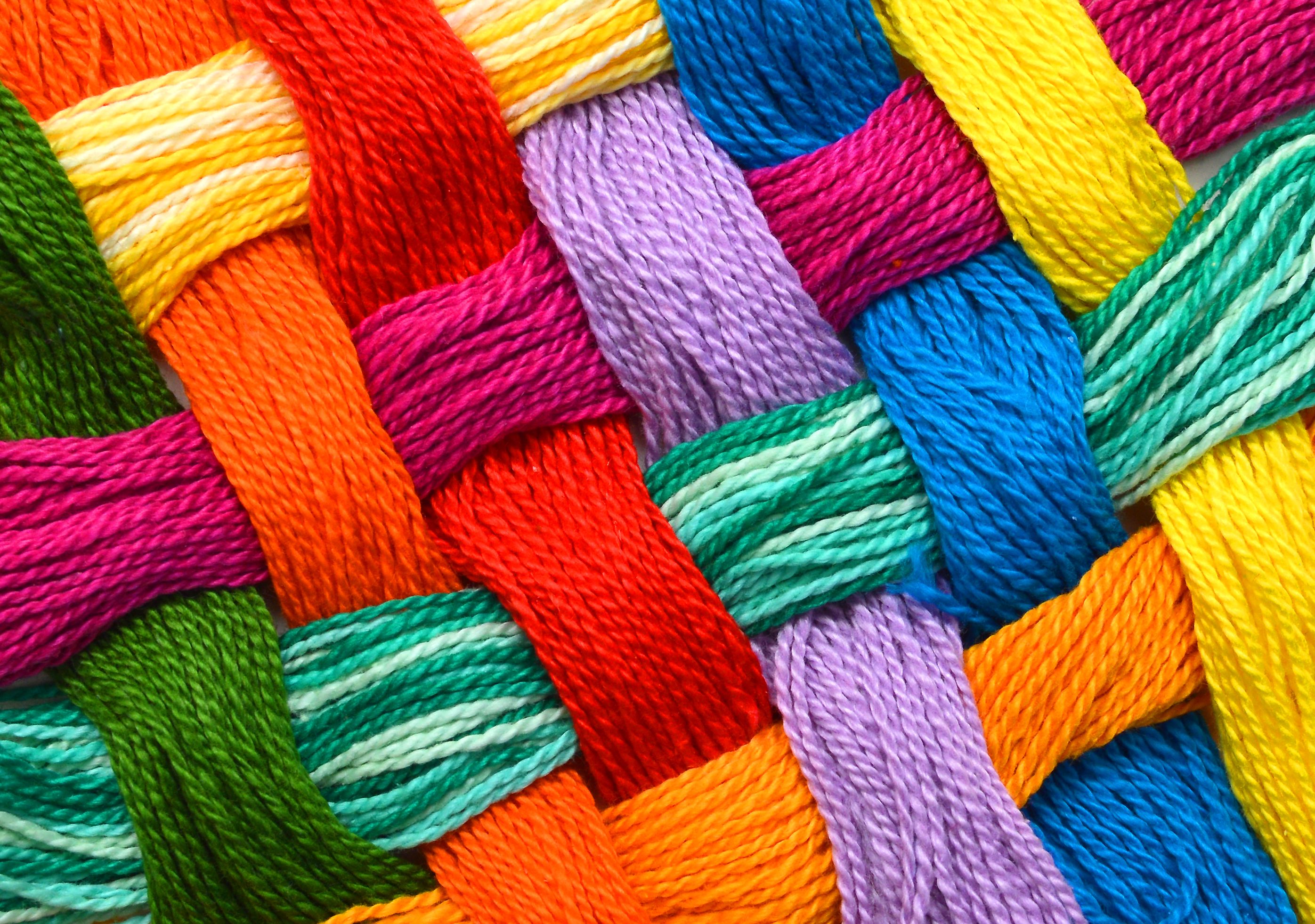
Adding color to your yarn is a wonderful way to express creativity. Dyeing fibers before spinning can create vibrant hues, while blending different colored fibers can produce subtle, variegated effects. Understanding color theory can greatly enhance your ability to create visually stunning yarn.
Caring for Your Spun Yarn
After spending time crafting your yarn, proper care ensures its longevity and beauty. Washing your yarn gently with a mild detergent and storing it in a cool, dry place will maintain its quality. Regularly checking for pests like moths is also crucial to preserving your hard work.
Finishing Touches
Blocking your yarn is an excellent finishing touch that can enhance its appearance and texture. This process involves soaking the yarn and then laying it out to dry, allowing the fibers to relax and settle into a more uniform structure.
Yarn spinning is more than just a craft; it's an art form that offers endless possibilities for creativity and self-expression. By exploring different fibers, techniques, and colors, you can create beautiful, one-of-a-kind yarns that reflect your personal style.