Step-by-Step Guide to Spinning Wool: From Fiber to Yarn


Introduction to Spinning Wool
Spinning wool into yarn is a time-honored craft that transforms raw fiber into beautiful, usable yarn. Whether you're a complete beginner or looking to refine your skills, understanding the process step-by-step is essential. In this guide, we'll explore everything you need to know to get started on your spinning journey.
Gathering Your Supplies
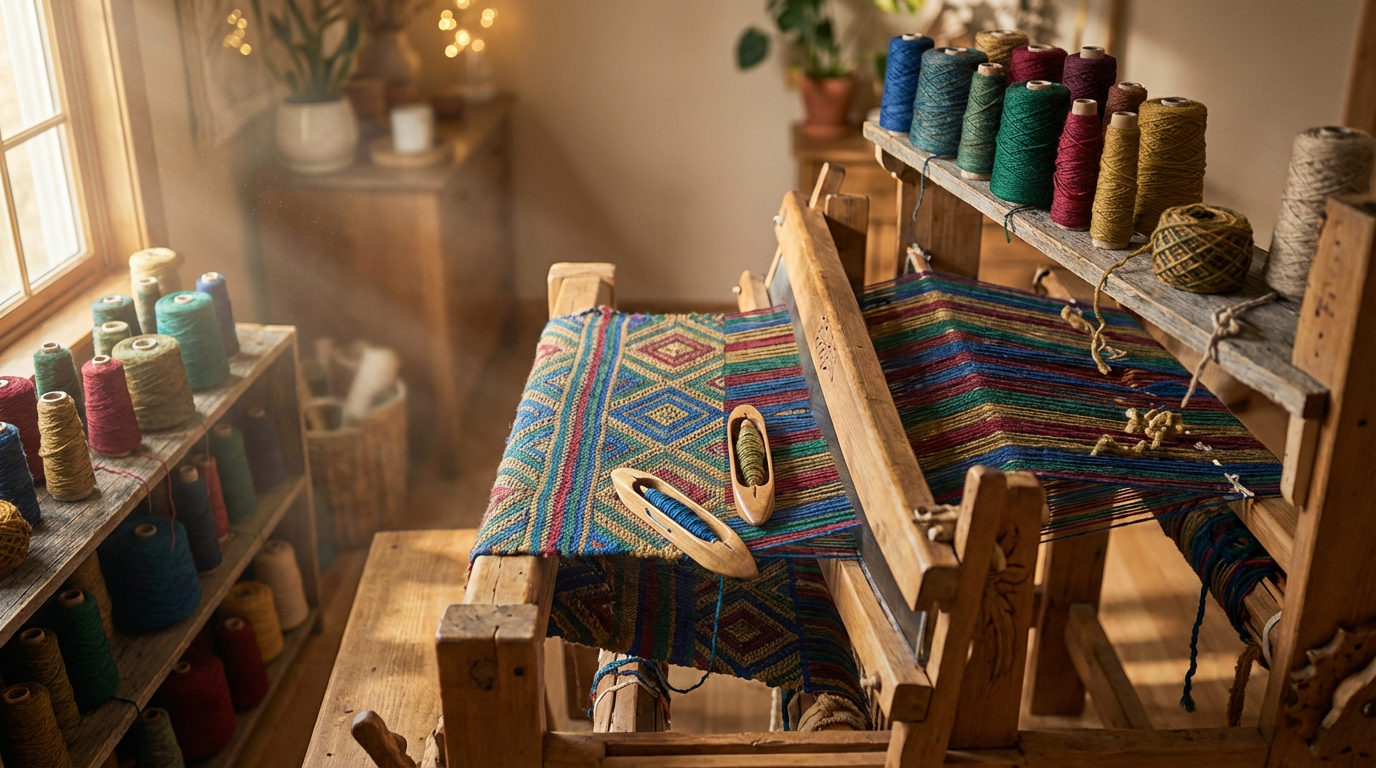
Before you begin, it's important to gather all necessary supplies. You'll need wool fiber, a spinning wheel or drop spindle, and some basic tools. Beginners may find a drop spindle easier to manage at first, while a spinning wheel offers more control and speed for those looking to dive deeper.
Essential supplies:
- Wool fiber (such as roving or batts)
- Spinning wheel or drop spindle
- Niddy-noddy or skein winder
- Hand carders (optional, for preparing fiber)
Preparing the Wool Fiber
Preparation is crucial for smooth spinning. Start by washing the wool if it isn’t already clean. Once washed, you may need to card the wool to align the fibers. Carding makes the wool easier to spin and can be done using hand carders or a drum carder.
Learning the Spinning Technique
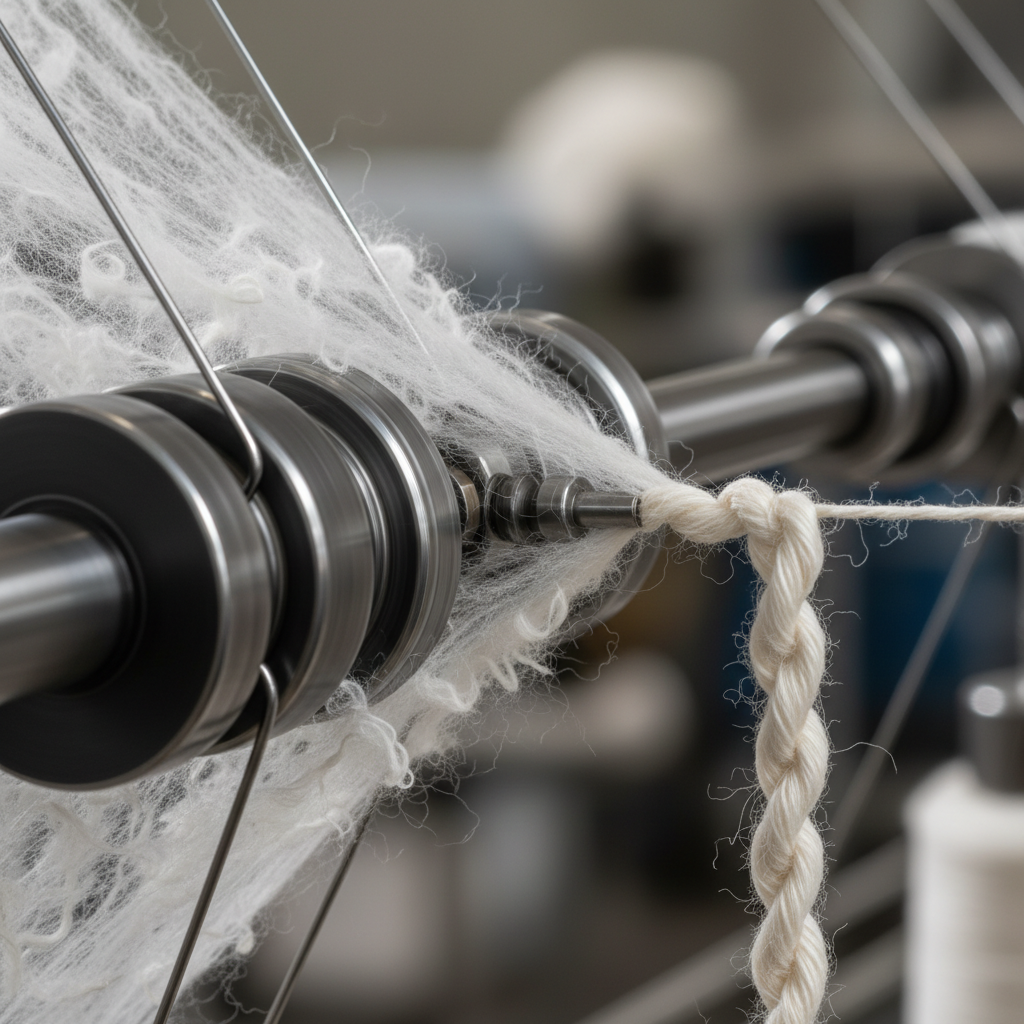
Once your fiber is ready, it's time to start spinning. If you're using a drop spindle, begin by attaching the fiber to the spindle’s hook and start spinning the spindle. Draft the wool fibers slowly to create a consistent yarn. For a spinning wheel, treadle smoothly to keep the wheel moving while drafting the fiber.
Patience is key here. Practice makes perfect, and you may find it helpful to watch tutorials or join a local spinning group for hands-on guidance.
Plying the Yarn
Plying is the process of twisting two or more singles together to create a balanced yarn. This step adds strength and durability to your yarn. You can ply using the spinning wheel or spindle, ensuring the singles twist in the opposite direction of the original spin.
Finishing the Yarn
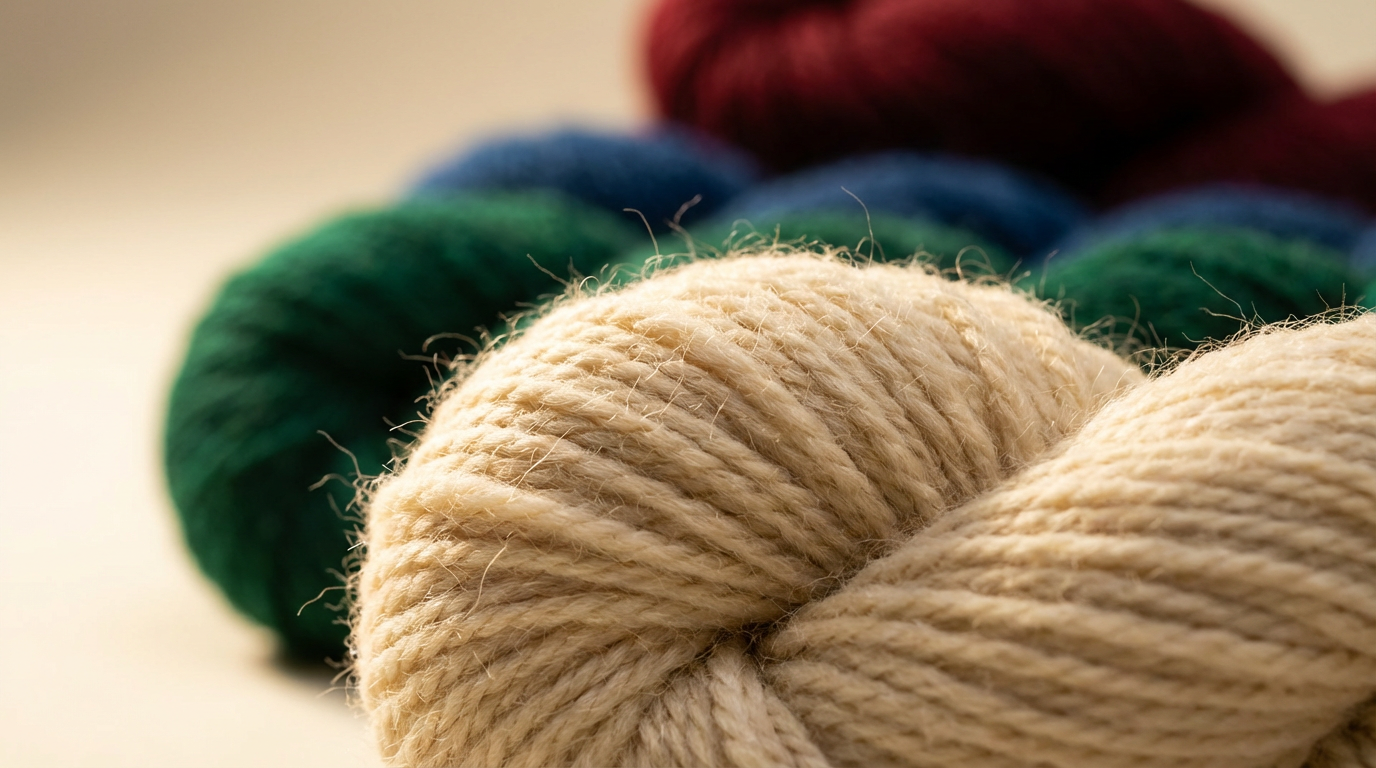
After plying, it’s time to finish your yarn. This involves setting the twist, which is done by washing the yarn and hanging it to dry. Some spinners like to thwack the yarn against a surface to even out the twist. Once dry, you can wind the yarn into skeins using a niddy-noddy.
Tips for Success
Spinning wool is both an art and a science. Here are some tips to ensure success:
- Practice regularly: Consistent practice helps improve your technique and confidence.
- Experiment with different fibers: Different breeds of sheep produce different types of wool, each with unique characteristics.
- Join a community: Engaging with fellow spinners can provide support and inspiration.
Conclusion
Spinning wool is a rewarding and creative craft that connects you with traditional practices and provides endless opportunities for creativity. By following this step-by-step guide, you'll be well on your way to producing beautiful, hand-spun yarn. Whether you knit, crochet, or simply enjoy the process, spinning opens up a world of possibilities.