How to Master Spinning Yarn: A Beginner's Guide


Understanding the Basics of Yarn Spinning
Spinning yarn is an ancient craft that transforms fibers into threads, which can then be woven or knitted into various textiles. For beginners, the process might seem daunting, but with the right tools and techniques, anyone can start spinning their own yarn. Before diving in, it’s essential to understand the basic principles and materials involved.
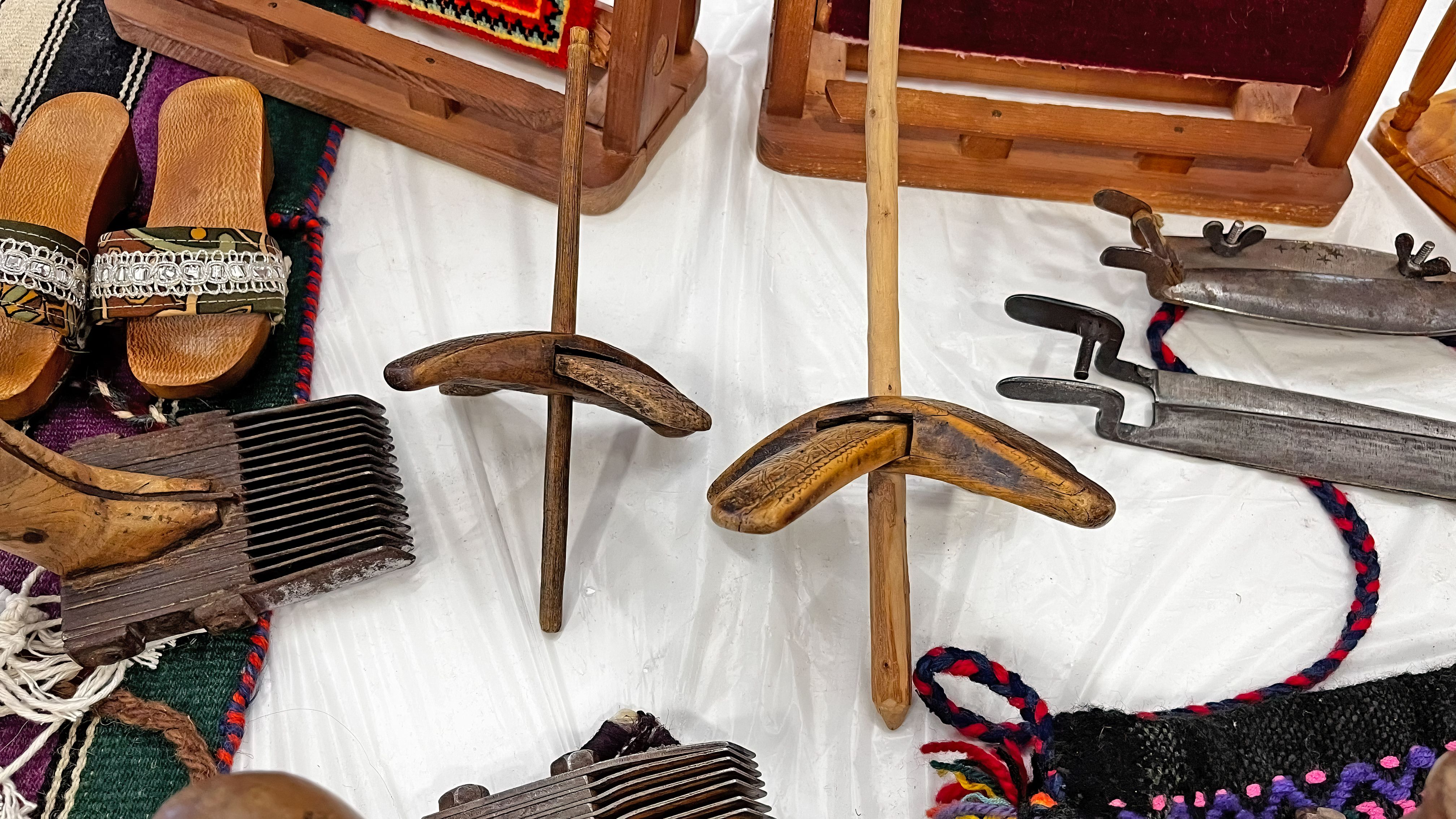
The fundamental tools used in spinning yarn include spindles and spinning wheels. While spindles are more portable and cost-effective, spinning wheels offer greater efficiency and control over the spinning process. It's advisable for beginners to start with a drop spindle to get a feel for the craft.
Choosing the Right Fiber
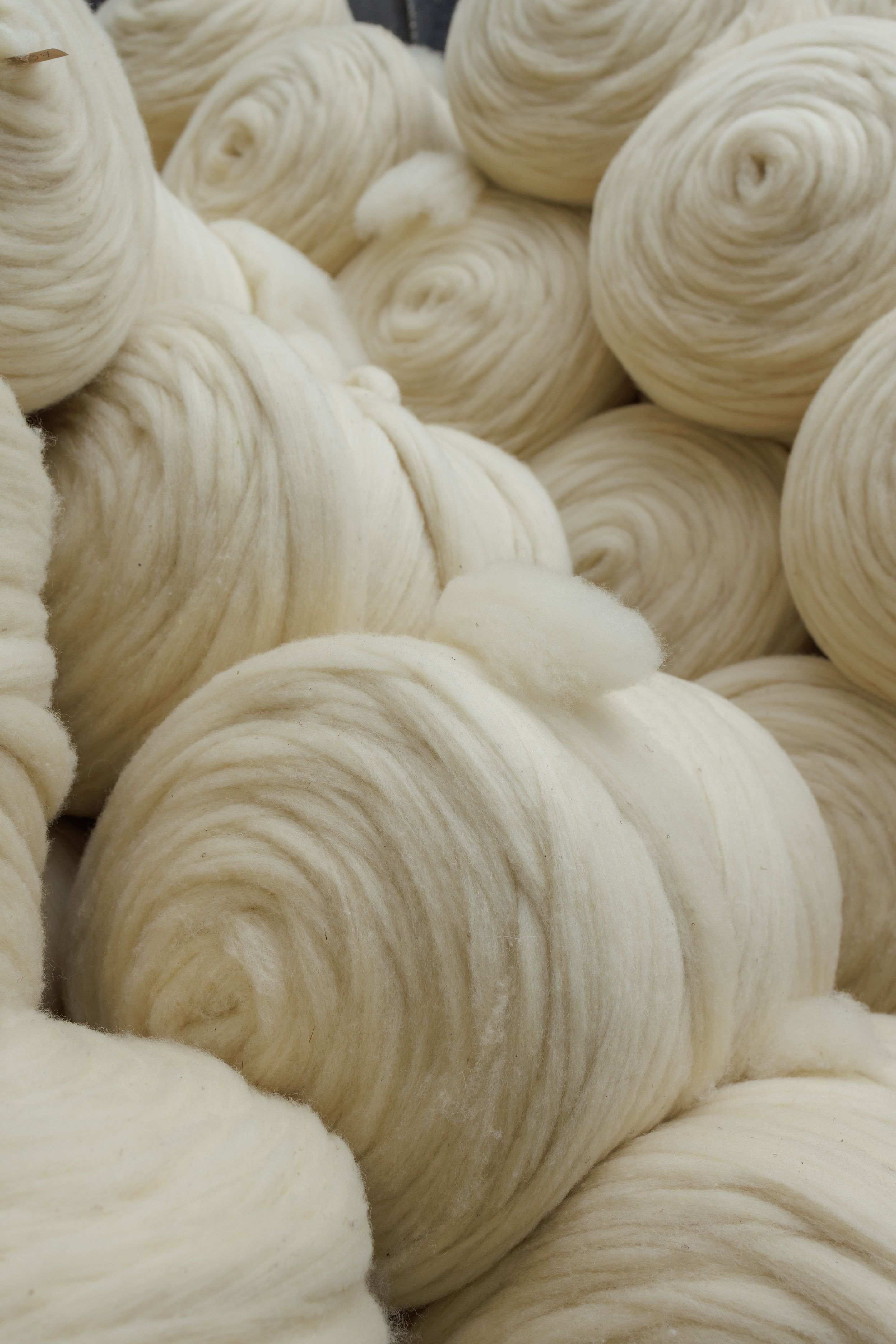
The type of fiber you choose significantly impacts the final yarn's texture and strength. Common fibers include wool, cotton, and alpaca. Wool is highly recommended for beginners due to its elasticity and ease of handling. When selecting wool, consider staple length, which refers to the length of the fiber strands. Longer staples are generally easier to spin.
Preparing your fiber is also crucial. This involves cleaning and carding the fibers to align them, making the spinning process smoother. Carding can be done manually using hand carders or with a machine for larger quantities.
Getting Started with Spindles
Once you have your fiber ready, it’s time to start spinning. If you’re using a drop spindle, begin by attaching a leader yarn to the spindle. This is a short length of yarn that helps you start spinning the fiber. Spin the spindle to add twist to the fibers, drafting them out as you go to form a continuous strand of yarn.
Practice is key when using a spindle. It’s normal for beginners to face challenges such as uneven yarn thickness or breakage. With patience and perseverance, these issues can be overcome.

Exploring Spinning Wheels
For those ready to advance, spinning wheels offer greater speed and control. There are various types of spinning wheels, such as the Saxony and the castle wheel. Each type has its own unique features and benefits. When using a spinning wheel, treadling speed and tension adjustments are crucial to achieving the desired yarn consistency.
Beginners might find it helpful to join a local spinning group or take a workshop to gain hands-on experience and receive guidance from seasoned spinners.
Finishing Your Yarn
After spinning, the yarn must be finished to set the twist and make it ready for use. This involves washing and drying the yarn. The washing process helps remove any residual oils or dirt and relaxes the fibers, while drying helps set the twist permanently.
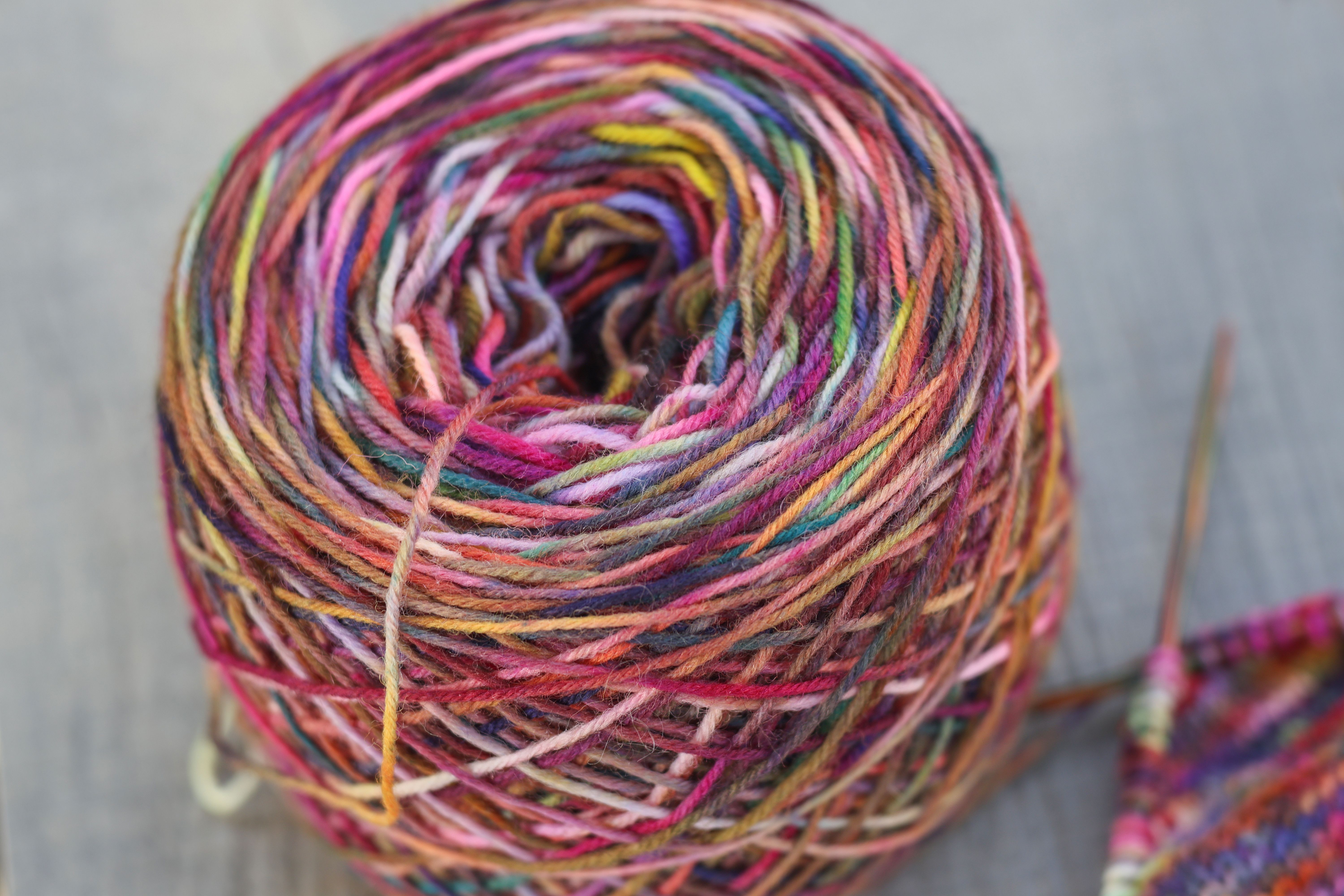
Once your yarn is finished, it can be used in various projects such as knitting, crocheting, or weaving. The satisfaction of creating your own yarn from scratch is truly rewarding.
Conclusion
Mastering the art of spinning yarn is a journey that combines creativity and skill. By starting with the right tools, understanding fiber properties, and practicing consistently, beginners can develop their spinning abilities and create beautiful, handmade yarns. Whether you spin for relaxation or to create unique textiles, the process is sure to provide endless satisfaction.