How to Choose the Perfect Yarn for Your Project: An Expert's Guide


Understanding Yarn Fibers
When selecting the perfect yarn for your project, understanding the types of fibers is crucial. Yarn can be made from natural fibers like cotton, wool, and silk, or synthetic fibers like acrylic and nylon. Each type offers unique characteristics. For instance, wool is known for its warmth and elasticity, making it ideal for winter garments. On the other hand, cotton is breathable and perfect for summer projects.
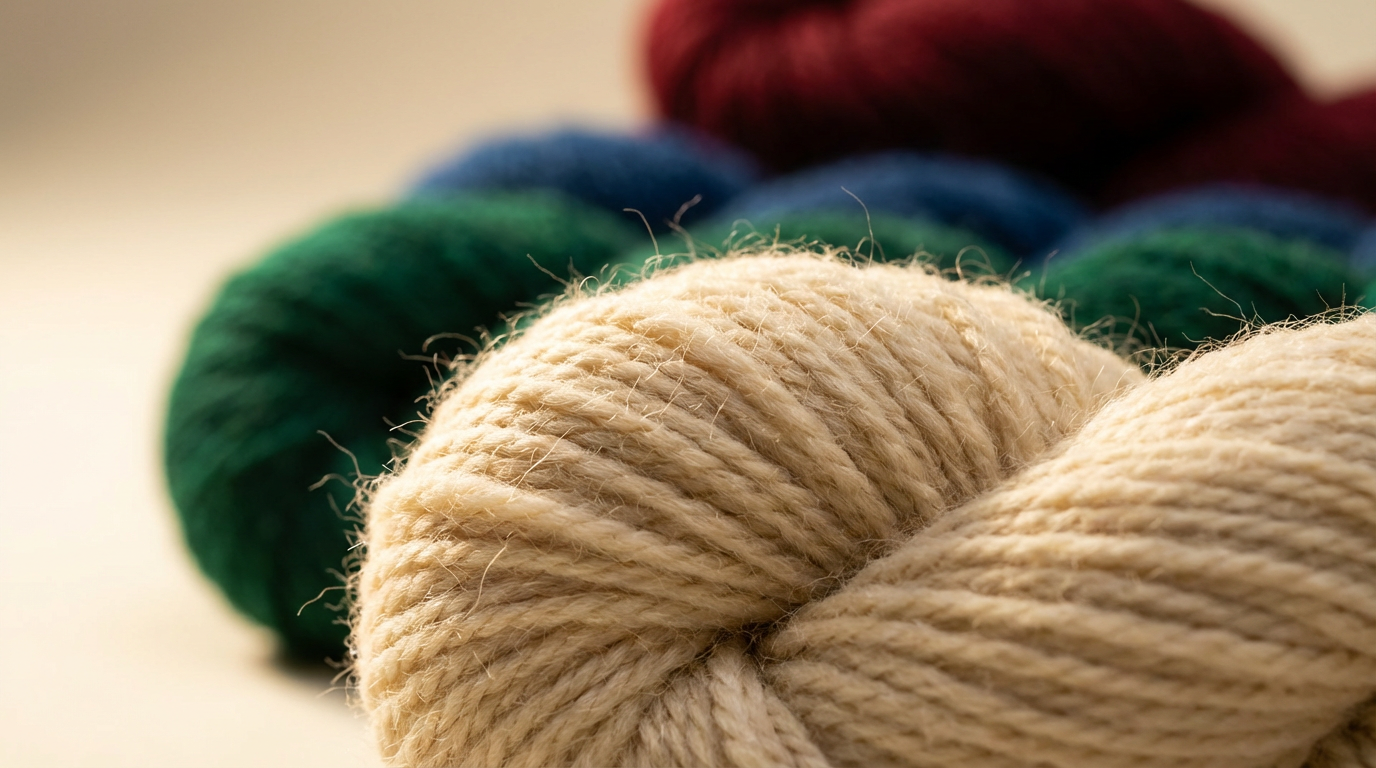
Consider the texture and feel of the yarn. If you are creating a baby blanket, you might want a soft and gentle fiber like bamboo or cashmere. Meanwhile, for a sturdy tote bag, a durable fiber like hemp might be more appropriate.
Yarn Weight and Gauge
The weight of the yarn is another important factor to consider. Yarn weight ranges from lace to super bulky, and it affects the thickness and drape of your finished project. The pattern you choose will usually specify the required yarn weight. Using the wrong weight can alter the size and fit of your project.
Gauge refers to the number of stitches per inch and is crucial for sizing. A swatch can help you determine if your gauge matches the pattern’s requirements. Adjust your needle size if necessary to achieve the right gauge.
Color and Dye Lots
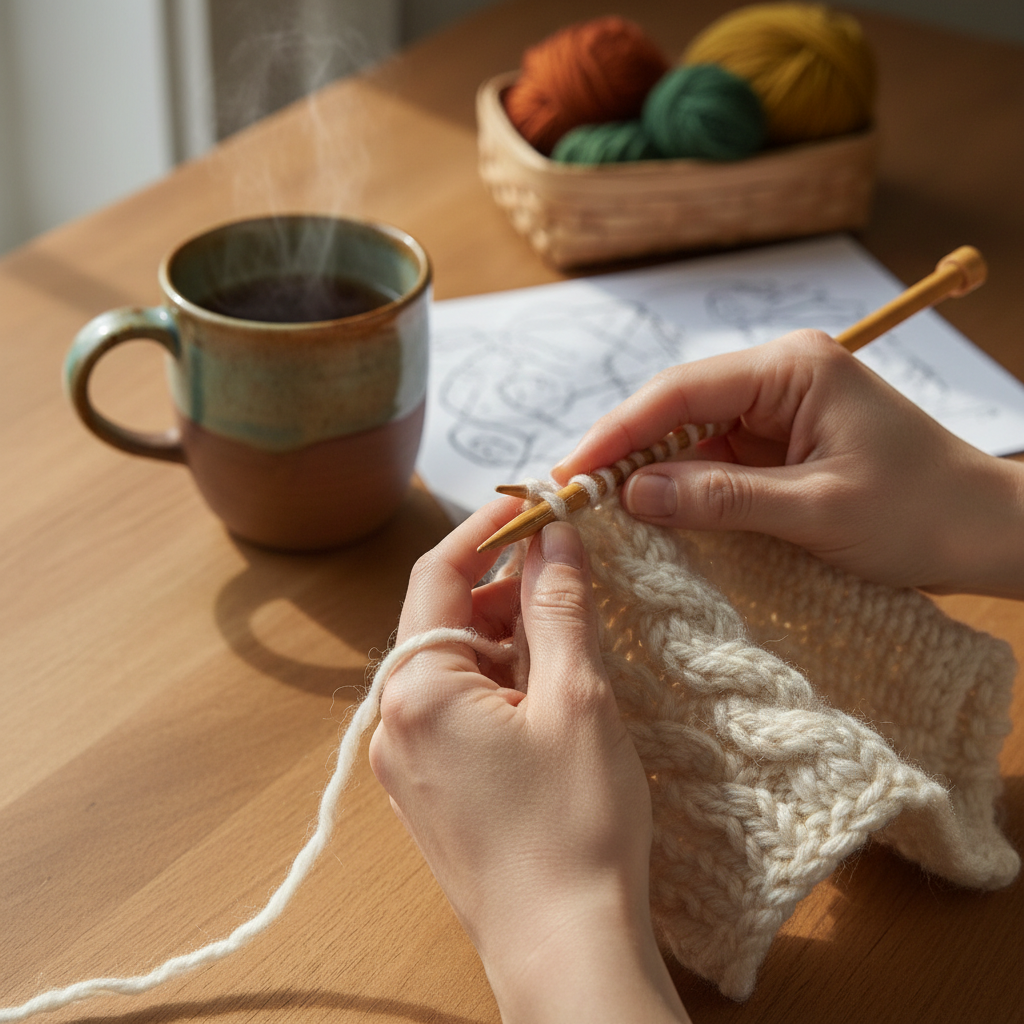
Color plays a significant role in the aesthetic of your project. Choose colors that complement each other and suit the recipient’s taste. Remember to check the dye lot number on the yarn label. Yarn from the same dye lot ensures color consistency across your project.
When in doubt, purchase an extra skein to avoid running out of yarn and being unable to match the color. This is especially important for large projects where color consistency is key.
Yarn Texture and Twist
The texture and twist of the yarn can affect the final outcome of your project. A tightly twisted yarn will produce a more defined stitch, perfect for intricate patterns. Conversely, a loosely spun yarn creates a softer and more airy fabric, ideal for cozy scarves and shawls.
Consider the end use of your project. If you need durability, opt for a high-twist yarn. For something delicate and soft, a low-twist yarn might be more suitable.
Environmental Considerations
For those concerned with sustainability, consider eco-friendly yarn options. Organic cotton, recycled fibers, and naturally dyed yarns are great choices for environmentally conscious crafters. These options are not only sustainable but also gentle on sensitive skin.
Many brands now offer a variety of eco-friendly yarns, making it easier than ever to find sustainable materials for your next project.
Conclusion
Choosing the perfect yarn for your project involves understanding fibers, weight, color, texture, and environmental impact. By considering these factors, you'll ensure that your finished piece is not only beautiful but also functional and sustainable. Whether you’re crafting a cozy sweater or a delicate lace shawl, selecting the right yarn will set the foundation for a successful project.