Exploring the Latest Trends in Fiber Art: What’s New and Exciting


Introduction to Fiber Art Trends
Fiber art, a dynamic and evolving field, continues to captivate artists and enthusiasts alike. In recent years, we've seen a surge in innovative techniques and materials, pushing the boundaries of what fiber art can be. Let's delve into some of the latest trends that are making waves in the fiber art community.
Sustainable Materials
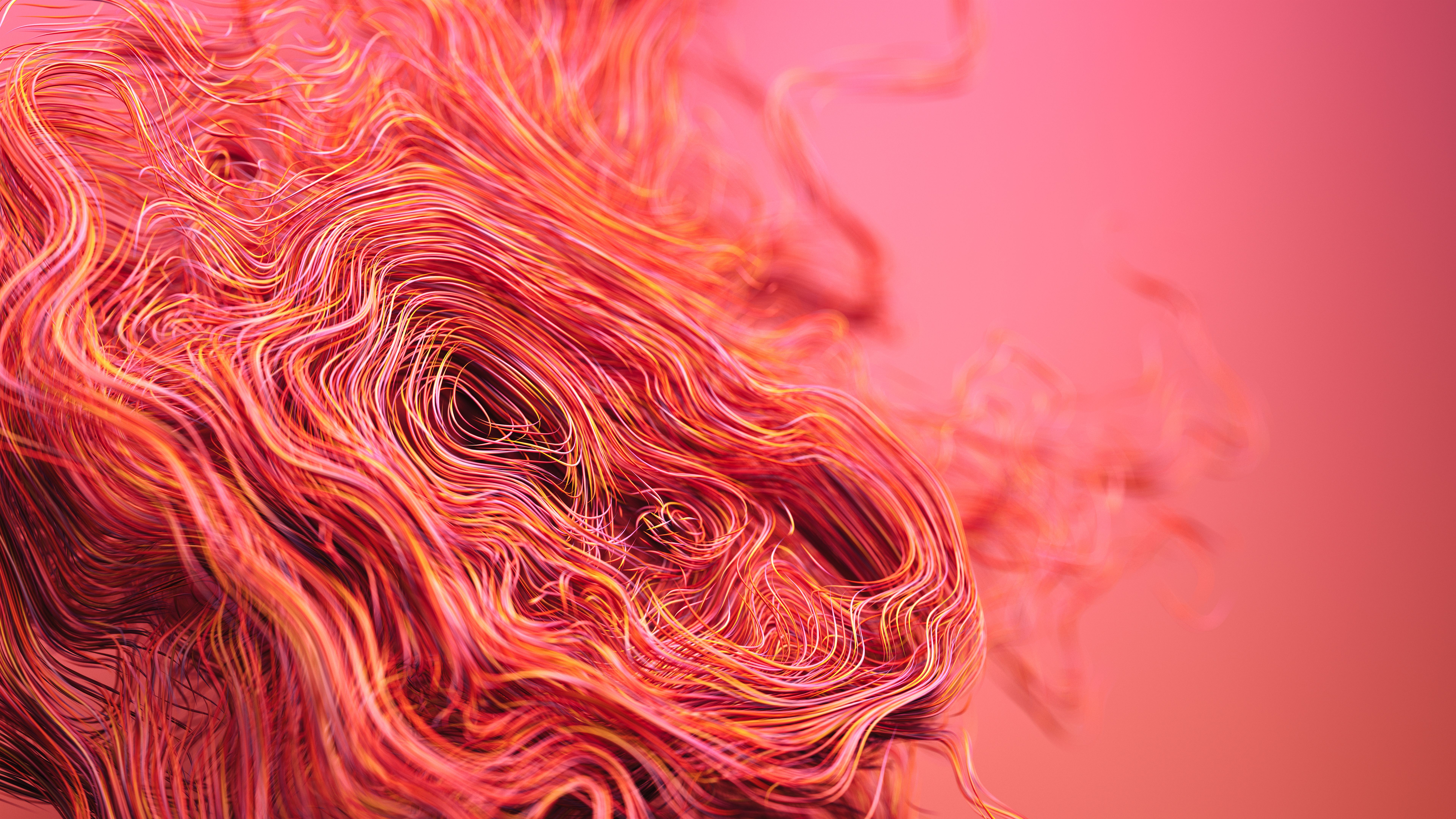
As environmental consciousness grows, many fiber artists are turning to sustainable materials. This includes using organic fibers, recycled fabrics, and natural dyes. These materials not only reduce the environmental impact but also add a unique texture and depth to the artwork.
Moreover, the use of upcycled materials is gaining popularity. Artists are transforming discarded textiles into stunning pieces, emphasizing the beauty of repurposing and reducing waste.
Innovative Techniques
Fiber artists are constantly experimenting with new techniques to enhance their creations. One such technique is 3D felting, which allows artists to create intricate, sculptural forms. This method adds a new dimension to traditional felting, offering endless possibilities for creativity.

Another exciting trend is the integration of technology in fiber art. Artists are incorporating digital embroidery and programmable looms, blending traditional craftsmanship with modern technology to produce intricate and precise designs.
Interactive and Wearable Art
Fiber art is no longer confined to wall hangings and tapestries. The rise of interactive and wearable art is transforming how we experience fiber creations. Artists are designing pieces that invite interaction, such as touch-sensitive textiles or garments that change color with temperature.
Wearable fiber art is also making a statement on runways and in galleries. These pieces often carry powerful messages, combining fashion with social and cultural commentary.
Collaborative Projects
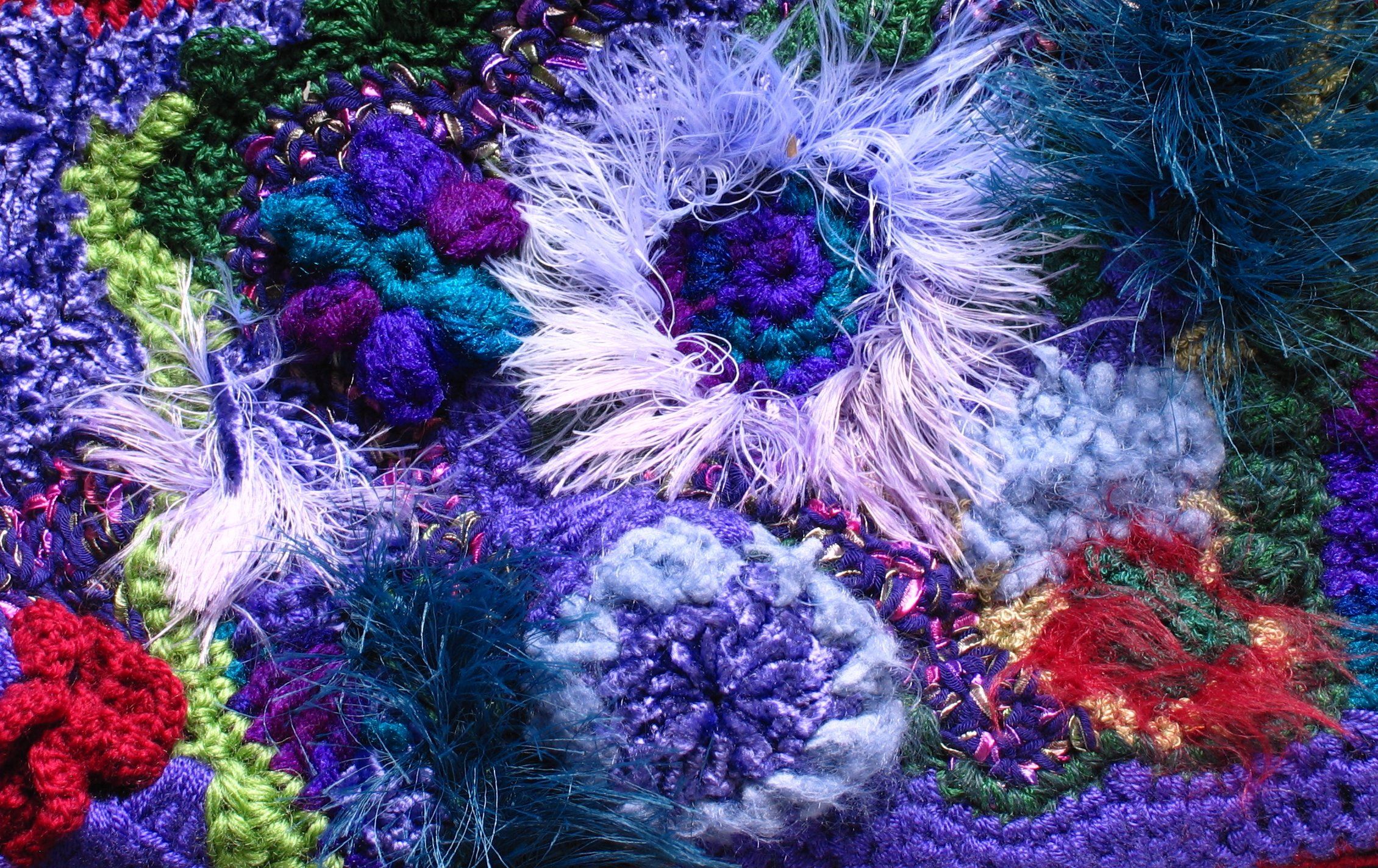
Collaboration is becoming a cornerstone of the fiber art world. Artists are joining forces to create large-scale installations and community projects. These collaborations not only foster creativity but also bring diverse perspectives and skills to the table.
Community-based projects, like communal quilts or public weaving events, are also gaining traction. These initiatives aim to engage the public and promote inclusivity within the art community.
Conclusion
Fiber art continues to evolve, with artists exploring new materials, techniques, and forms of expression. The trends highlighted here are just a glimpse into this vibrant and innovative field. As fiber art grows, it will undoubtedly continue to surprise and inspire us with its endless possibilities.