Common Yarn Myths Debunked: Expert Insights for Better Crafting


Yarn Quality: Does Price Equal Perfection?
One common myth in the yarn world is that higher prices always mean better quality. While it's true that premium yarns often boast exceptional softness and durability, not all expensive options are suitable for every project. Many affordable yarns offer excellent quality, making them ideal for everyday crafting. It's essential to consider the specific requirements of your project rather than just the price tag.
Natural vs. Synthetic: Which Is Better?
Another prevalent myth is that natural fibers are always superior to synthetic ones. While natural fibers like wool and cotton offer breathability and comfort, synthetics like acrylic have their own strengths, such as being lightweight and resistant to mold and moths. The choice between natural and synthetic should be based on the project's needs, such as warmth, texture, or ease of care.
The Truth About Yarn Thickness
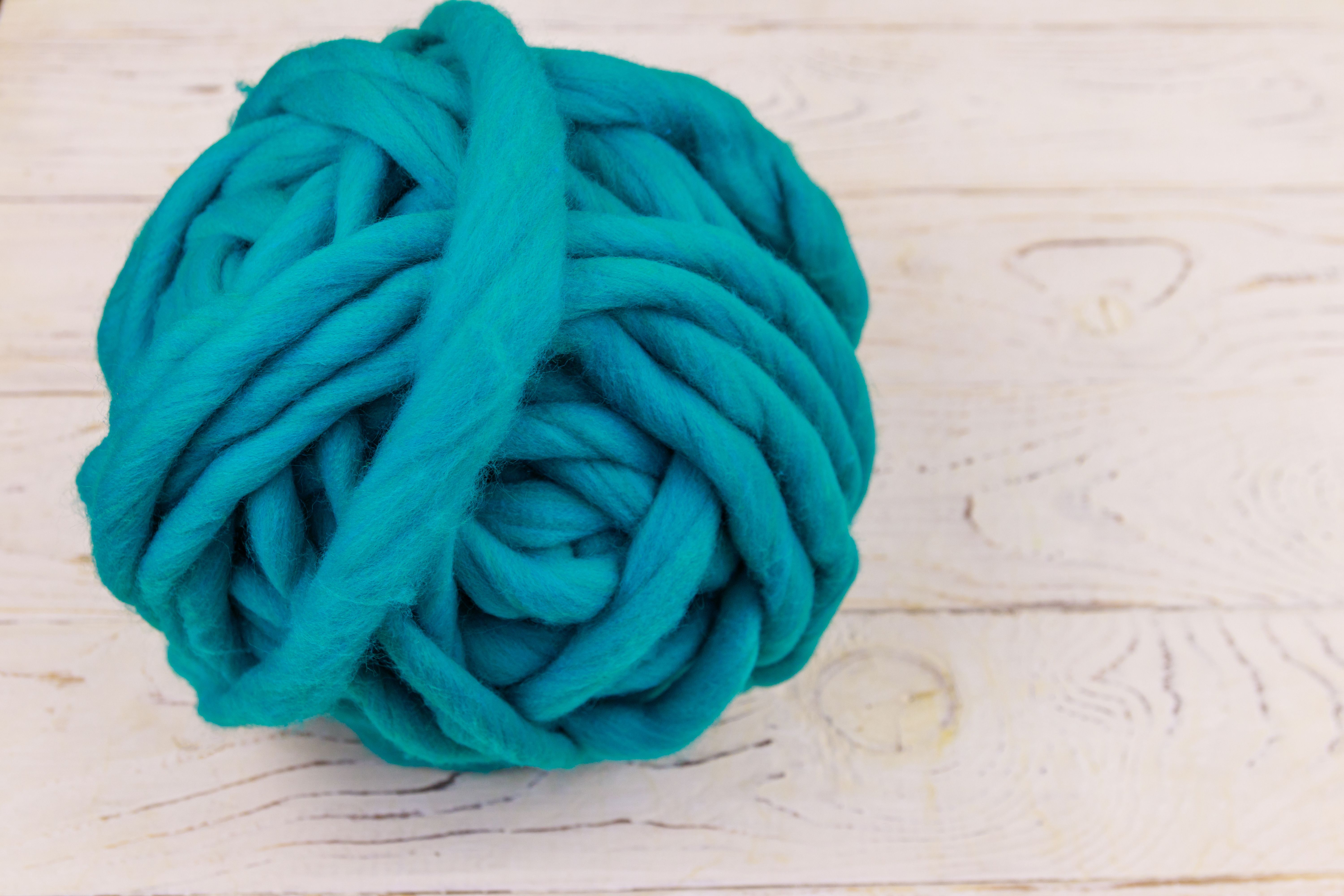
Many crafters believe that thicker yarns are easier to work with, especially for beginners. However, this isn't always the case. While bulky yarns can be quicker to knit or crochet, they require larger needles or hooks, which can be challenging for some. On the other hand, thinner yarns might take more time but allow for intricate detailing.
Yarn and Allergies: Unraveling the Facts
It's a common misconception that all yarns can cause allergies. While some people may have sensitivities to specific fibers, like wool, there are numerous hypoallergenic options available. Blends that include bamboo, cotton, or acrylic are often safe alternatives for those with allergies.
Color Fastness: Will Your Yarn Fade?
A frequent concern is whether yarn colors will fade over time. While some yarns are prone to fading, especially when exposed to sunlight, many are treated to retain their colors. Checking the label for colorfastness and following care instructions can help maintain vibrancy in your projects.
Blocking: Is It Really Necessary?
Blocking is often seen as an optional step, but it can make a significant difference in the final appearance of your project. This process involves wetting or steaming your yarn creation to set stitches and even out the fabric. While not always essential, blocking can enhance the drape and finish of your work.
Eco-Friendly Yarns: A Sustainable Choice?
There's a growing belief that eco-friendly yarns are hard to find or inferior in quality. In reality, many yarn producers are now offering sustainable options made from recycled materials or organic fibers. These yarns are not only environmentally friendly but also of high quality, offering a guilt-free crafting experience.
The Importance of Yarn Labels
Ignoring yarn labels is a mistake some crafters make, believing they are unnecessary. However, labels provide crucial information regarding fiber content, weight, recommended needle size, and care instructions. Paying attention to this can save time and ensure the success of your project.
In conclusion, understanding these common yarn myths helps you make informed decisions, leading to better crafting experiences. Whether you're a beginner or an experienced crafter, debunking these myths can enhance your projects and enjoyment of the craft.